In this article you will find out:
HoLEP surgery in Germany offers a permanent, minimally invasive solution for Benign Prostatic Hyperplasia (BPH), effectively treating large prostate volumes (80ml–200ml+) with minimal blood loss and rapid recovery.
Seeking a definitive BPH solution?
Access Germany’s most experienced urological surgeons specializing in high-wattage Holmium laser enucleation. Our partner professors provide a comprehensive clinical review of your PSA and ultrasound results to confirm eligibility for HoLEP. A leading specialist will answer your inquiry with a tailored medical perspective.
Submit Documents for ReviewThe doctor or coordinator will answer within 24-48 hours.
Why HoLEP in Germany? Cost and Clinical Excellence
For international patients, the decision to undergo Holmium Laser Enucleation of the Prostate (HoLEP) in Germany is driven by technical precision and cost-efficiency. While traditional TURP often results in tissue regrowth, HoLEP removes the entire adenoma, reducing the recurrence rate to less than 1%. In Germany, the procedure is performed using 120W pulse-modulated lasers, ensuring the safety of the neurovascular bundles responsible for potency.
The total cost for HoLEP in specialized German centers typically ranges from 9,800 to 14,500. This all-inclusive estimate covers pre-operative diagnostics, the surgical procedure, specialized morcellation equipment, and a 2-3 day inpatient stay in a premium urology department.
3-Day Therapy Program: The German Protocol
German clinics follow a standardized, high-efficiency clinical pathway to ensure patient safety and optimal functional outcomes. Below is the typical timeline for a HoLEP patient in Germany.
Technical Advantages over TURP and Open Surgery
The anatomical approach of HoLEP allows surgeons to treat prostates of any size. In the past, glands larger than 100ml required open abdominal surgery (simple prostatectomy). Today, German specialists use the urology departments in Germany to perform this entirely through the urethra, leaving no external scars.
By following the BPH treatment guidelines of the European Association of Urology (EAU), German clinics ensure that the prostate capsule is completely cleared of obstructive tissue. This is particularly beneficial for younger patients concerned about long-term results and older patients on anticoagulants (blood thinners), as the Holmium laser provides superior haemostasis.
Diagnostic Accuracy
Before surgery, a comprehensive urological screening is vital. This prevents unnecessary intervention and ensures that the obstruction is not caused by malignancy. If cancer is suspected, a differential diagnosis including mpMRI-fusion biopsy may be performed prior to laser treatment.
Advanced Comparative Analysis: HoLEP vs. Alternatives
In the landscape of modern urology, several laser-based treatments exist. However, for patients considering treatment in Germany, it is crucial to understand why HoLEP remains the surgical Gold Standard compared to GreenLight (KTP) Laser or Rezum water vapour therapy.
The primary advantage in German clinics is the ability to provide a complete histological analysis of the removed tissue. In approximately 5–8% of HoLEP cases, incidental prostate cancer is discovered in the enucleated tissue that was missed by pre-operative tests. Techniques that vaporize tissue lose this critical diagnostic opportunity.
Real Clinical Situations and Patient Outcomes
German expertise is particularly vital in complex cases. For men with giant prostates exceeding 150ml, German centers avoid the risks of open surgery by using high-volume laser protocols. Furthermore, patients with bladder stones often receive combined treatment, where the Holmium laser pulverizes the stones (lithotripsy) during the same session as the prostate enucleation.
Recovery is remarkably swift. Most patients notice an immediate improvement in urine flow. While HoLEP does not cause erectile dysfunction, patients should be aware of retrograde ejaculation, which is a common but harmless side effect where semen enters the bladder during climax. Long-term results show that the risk of tissue regrowth requiring another surgery is less than 1% over a patient’s lifetime.
Common Patient Mistakes to Avoid
- Delaying surgery until acute urinary retention occurs, which can lead to permanent bladder muscle damage.
- Ignoring PSA fluctuations or assuming all symptoms are purely benign without expert confirmation.
- Choosing a surgeon with a low volume of laser cases, as HoLEP has a steep learning curve.
- Failing to provide a full list of medications, especially blood thinners, during the initial consultation.
Statistics and Success Rates
Understanding the clinical success of HoLEP through data can provide significant reassurance for those considering treatment in Germany. Long-term studies conducted at leading European university hospitals demonstrate why this procedure is increasingly replacing traditional surgery.
A landmark 10-year follow-up study revealed that the re-operation rate for HoLEP is less than 0.7%, compared to approximately 12-15% for TURP. Furthermore, over 95% of patients in Germany report a complete resolution of their primary urinary complaints within the first three months. For men who have struggled with chronic catheter use due to urinary retention, 98% are able to void spontaneously after their German clinical stay.
Latest Innovations in HoLEP Technology (2024-2025)
The field of laser urology is evolving rapidly. German clinics are currently at the forefront of implementing “Pulse-Modulation” technology (such as Moses Technology 2.0). These latest advancements offer specific benefits for international patients.
1. Enhanced Haemostasis with Virtual Basket Technology
Newer laser systems create a specialized field that keeps the prostate tissue stable during enucleation. This reduces the “retropulsion” (tissue jumping), allowing for even cleaner cuts and virtually zero bleeding. For the patient, this means the urine clears up almost immediately after the procedure.
2. Automated Morcellation Systems
The speed of tissue removal has increased by 40% with the introduction of vacuum-assisted, smart-blade morcellators. This shortens the time under anaesthesia, which is a critical safety factor for elderly patients or those with cardiovascular risk factors.
3. Robotic-Assisted Laser Guidance
Some elite German university hospitals are trialling semi-automated laser arms that help the surgeon map the surgical capsule with sub-millimetre precision. This ensures that every gram of the obstructive adenoma is removed while leaving the sphincter muscle perfectly untouched.
The Recovery Roadmap: Day 4 to Day 30
While the first three days in the German clinic are dedicated to the surgery and catheter removal, the following weeks are where the full functional recovery takes place. A structured post-operative protocol is provided to every patient.
From day 4 to day 10, patients are encouraged to maintain high fluid intake (2.5 to 3 litres of water daily). This acts as a natural “irrigation” for the bladder. During this phase, it is normal to experience some urgency or a mild burning sensation, which is managed with mild anti-inflammatories prescribed by the German specialist.
Between weeks 2 and 4, the “scab” or healing tissue within the prostate capsule begins to dissolve. This is a critical period where heavy lifting and strenuous cycling must be avoided to prevent secondary bleeding. Patients can usually return to office work within 7 to 10 days, but vigorous physical exercise should be postponed until the one-month mark.
Why the “German Second Opinion” is a Life-Saver
Many patients come to us after being told by their local urologists that their prostate is “too large for a scope” or that they must live with a permanent catheter. In the German medical system, such cases are routine for a HoLEP specialist.
A formal second opinion from a German professor often changes the treatment trajectory from a risky open surgery to a safe 90-minute laser procedure. This is not just about the technology, but about the surgical philosophy in Germany, which prioritizes “organ-preserving” and “minimally invasive” approaches regardless of the complexity of the case.
Unsure about your local diagnosis?
Get a definitive evaluation from Germany’s world-renowned urology professors. Many patients previously deemed 'inoperable' via endoscopic methods have found a permanent solution through our partner clinics. A leading surgeon will review your medical history and provide a clear surgical recommendation.
Request Expert ReviewThe doctor or coordinator will answer within 24-48 hours.
Logistics for International Patients in Germany
Organizing surgery abroad involves more than just a medical appointment. The kliniki.de platform streamlines the process by providing professional translation of medical records and assisting with medical invitations for visa purposes. After you return home, we remain the bridge between you and your German doctor for any follow-up questions regarding your recovery or medication adjustments.
Comprehensive Rehabilitation: The Path to Full Functionality
Recovery from HoLEP is a journey that continues long after you leave the German clinic. While the physical removal of the tissue is complete by Day 3, the biological healing of the prostatic urethra takes time. In Germany, the rehabilitation philosophy focuses on “active recovery,” where the patient plays a vital role in ensuring the long-term success of the surgery.
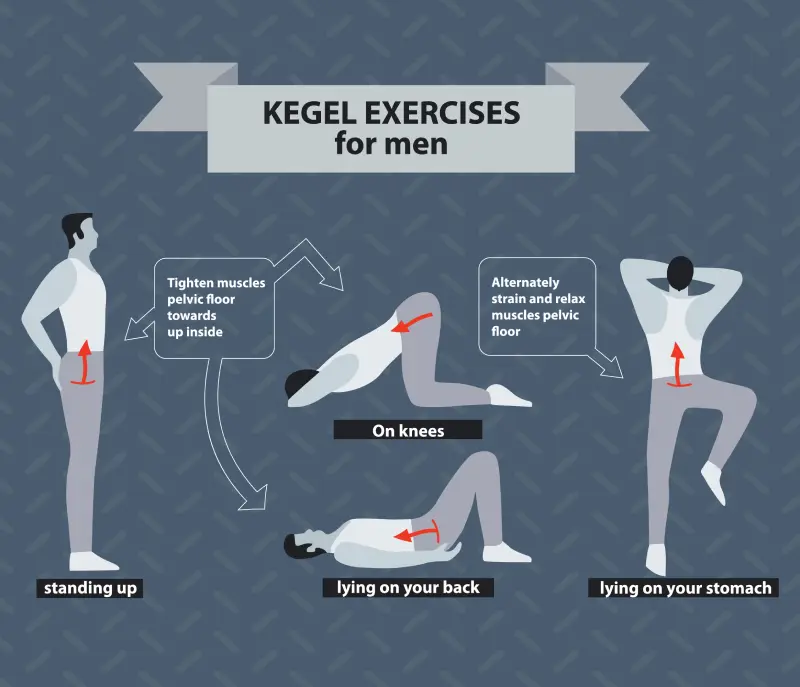
During the first two weeks post-discharge, the primary goal is the management of the “healing bed” inside the prostate capsule. Patients are advised to practice pelvic floor exercises, often guided by German physiotherapists before departure. These exercises are not just for recovery; they help in regaining full bladder control faster, especially for older patients whose bladder muscles have been strained by years of obstruction.
Hydration and Dietary Adjustments
Dietary choices in the month following HoLEP can significantly impact comfort levels. German specialists recommend a diet rich in fibre to prevent constipation, as straining during bowel movements can put unnecessary pressure on the surgical site and cause minor secondary bleeding. Furthermore, avoiding bladder irritants such as caffeine, highly acidic citrus juices, and spicy foods for the first 21 days helps reduce the “urgency” sensations that some patients feel while the internal tissue is re-epithelializing.
Addressing the Psychological Impact of BPH
Chronic urinary issues often take a silent toll on a man’s mental health, leading to anxiety, sleep deprivation from nocturia (frequent night-time urination), and social withdrawal. One of the most significant “unseen” benefits of undergoing HoLEP in Germany is the rapid restoration of confidence. Patients often report a “second lease on life” once they no longer have to map out every public toilet or fear the sudden onset of urinary retention.
The German approach to care includes a holistic view of the patient. Surgeons take the time to explain the preservation of sexual function, which is a major source of anxiety. Knowing that the urology departments in Germany utilize nerve-sparing laser techniques allows patients to approach the surgery with a positive mindset, which is clinically proven to speed up physical recovery times.
Preparing for Your Medical Journey: A Checklist
To ensure your treatment for BPH treatment in Germany is as stress-free as possible, we recommend a structured preparation phase. This ensures that when you arrive, the medical team can focus entirely on the procedure.
- Gather all recent imaging including MRI or CT scans of the pelvic region.
- Obtain a full list of current medications with exact dosages, specifically any anti-platelet or anticoagulant drugs.
- Perform a recent urine culture to ensure there is no active infection before travel; if an infection is present, it must be treated with antibiotics prior to surgery.
- Arrange for a 10-day stay in Germany to allow for the mandatory pre-operative checks and a safe post-operative observation period.
- Coordinate with your local physician to ensure they are ready to receive the German medical report for your long-term records.
The Risks of “Watchful Waiting” vs. Timely Intervention
A common error in patient logic is the belief that BPH can be managed indefinitely with medication. While drugs like Alpha-blockers or 5-ARIs provide temporary relief, they do not stop the physical growth of the prostate. Over time, the bladder must work harder to push urine through a narrowing channel, leading to “bladder wall thickening” and the formation of diverticula (pouches in the bladder wall).
By the time many patients seek a comprehensive urological screening, their bladder function has already been compromised. Timely intervention with HoLEP in Germany stops this degenerative process. Choosing surgery while the bladder is still healthy ensures that once the “blockage” is removed, the bladder can return to its normal capacity and strength.
Why Kliniki.de is Your Essential Partner
We understand that traveling to a different country for major surgery is a significant decision. Our role is to remove the barriers between you and the world’s best medical care. We don’t just find you a doctor; we find you the right professor whose surgical sub-specialization matches your specific anatomy. Whether you have a 40ml prostate or a 400ml one, we ensure you are placed in the hands of a high-volume expert who views your “complex case” as a routine success story.
Take control of your urological health today
Join the thousands of international patients who have successfully restored their quality of life through German medical excellence. Our team provides transparent pricing, expert medical matching, and full logistical support. A leading German urologist will review your case and provide a comprehensive treatment roadmap within 48 hours.
Start Your Medical AssessmentThe doctor or coordinator will answer within 24-48 hours.
Frequently Asked Questions
Patient Glossary of Terms
- Adenoma: The benign glandular tissue that grows and compresses the urethra in BPH.
- Enucleation: The process of removing a whole mass clean from its surrounding capsule.
- Haemostasis: The stopping of a flow of blood, achieved during HoLEP by the laser’s thermal energy.
- Morcellation: The mechanical process of breaking down the removed tissue into small pieces for extraction.
- Retrograde Ejaculation: A condition where semen travels into the bladder instead of out through the penis.
- Uroflowmetry: A diagnostic test that records the flow rate of urine over time.